Latest Blog

What Is Concrete Flatwork in Dallas Tx?
Latest Blog

What Is Concrete Flatwork in Dallas Tx?

What Is Concrete Flatwork in Dallas Tx?What Is Concrete Flatwork in Dallas Tx?

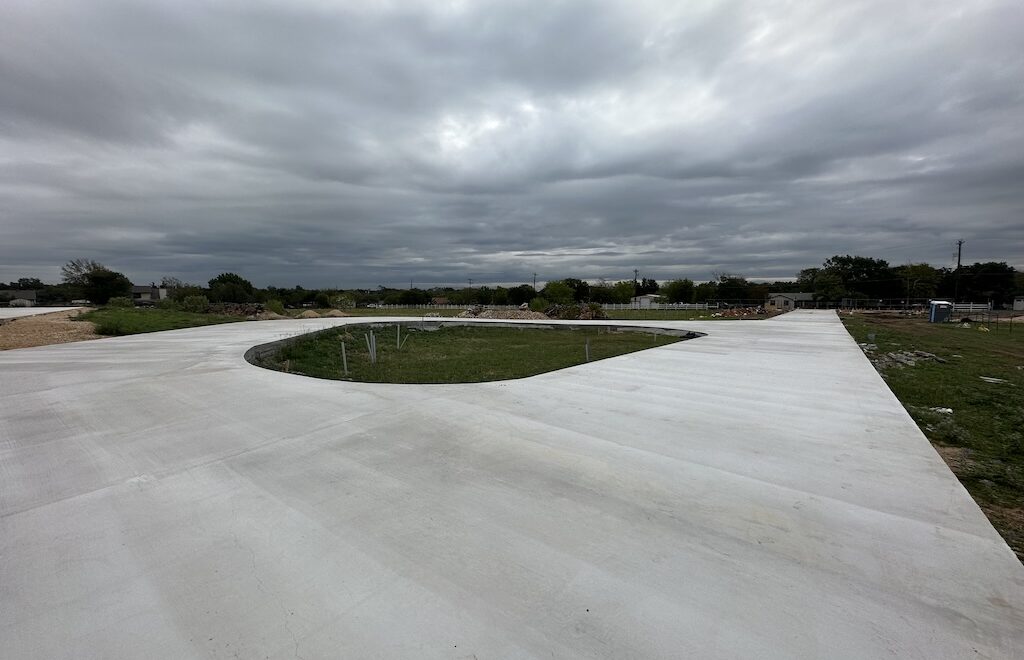
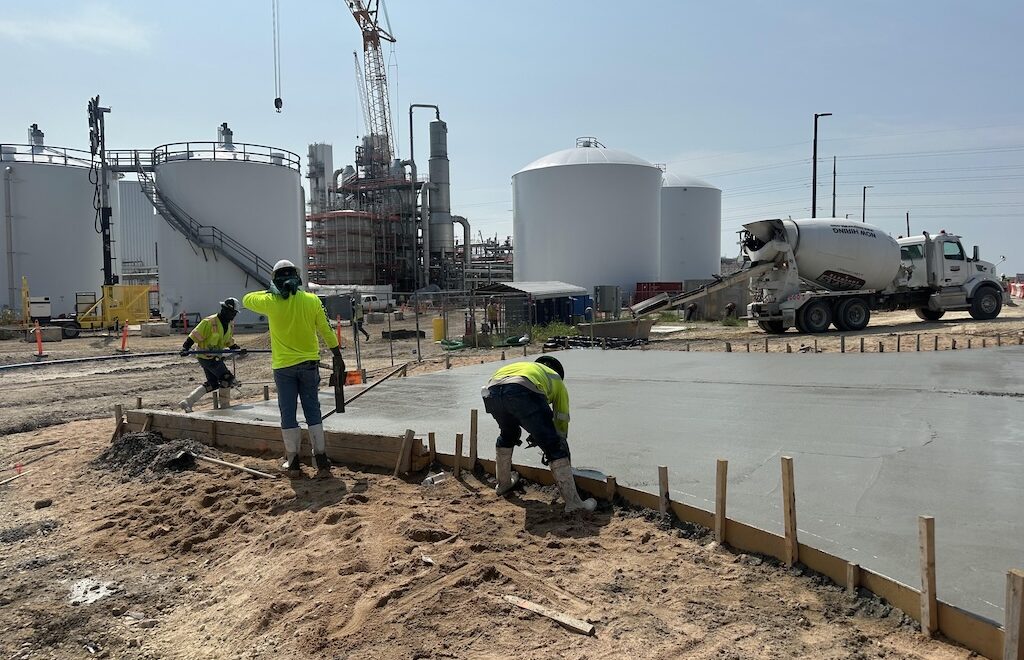
When you need a strong, reliable surface for driving and pedestrian activity, there’s no better choice than concrete flatwork in Dallas. Concrete flatwork is a concrete surface poured on a horizontal plane. While concrete is versatile enough to take on any shape, flatwork in Dallas Texas is among the most practical uses of the material. Read on to learn more about concrete flatwork, its benefits, and applications.

What Types of Flatwork Can I Get for My Property?

Concrete flat work is all about creating smooth, perfectly flat surfaces. These projects can take on many forms. Some of the most popular surfaces that concrete flatwork companies create include:

• Driveways
• Parking Lots
• Sidewalks
• Patios
• Pool Decks
• Dumpster Pads

Dallas Texas concrete flatwork is incredibly versatile, and skilled contractors can create virtually any surface to meet your unique needs. Best of all, the best concrete flatwork companies will engineer the material to provide the load-bearing capacity and stability you need, making it the perfect choice for a wide variety of projects.

What Are the Benefits of Dallas Texas Concrete Flat work?

There’s a lot to love about concrete flat work. Some notable benefits include:

•Durability: Concrete is among the strongest construction materials available, even when used in flatwork applications. Concrete flatwork companies can create surfaces of varying thicknesses and strengths, ensuring long-lasting durability and fewer issues that warrant attention from concrete repair companies.
•Cost Efficiency: Concrete flatwork costs vary, but the material is affordable compared to alternatives like brick pavers.
•Longevity: Dallas Texas concrete flatwork can last several decades. In some cases, it lasts a lifetime.
•Low Maintenance: Unlike materials like asphalt, concrete doesn’t require frequent attention or complicated maintenance.
•Aesthetic Versatility: Contractors can finish flatwork in Dallas Texas in many ways, using pigments, stamps, and other techniques to produce a unique look.
•Safety: Concrete flat work produces a stable surface. It’s safer than bare soil and other rougher materials, reducing the risk of accidents and injuries.
•Repairability: If damage does occur, concrete repair companies can easily patch and mend flat work.

How Do Contractors Create Flatwork in Dallas?

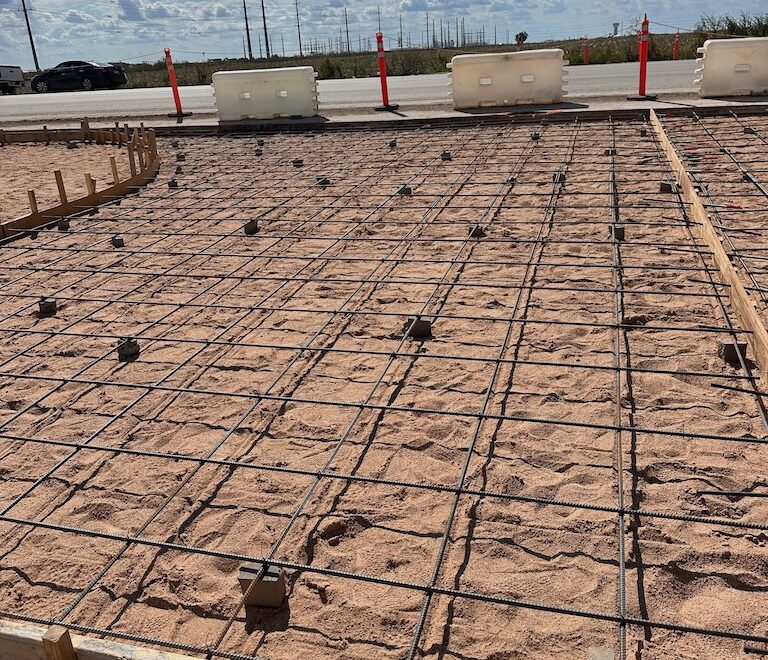
Constructing concrete flat work surfaces is a multi-step process. After preparing the site, contractors will build a frame to hold the wet concrete in place as it cures. Then, they’ll build up a subbase using compacted aggregates. This stage is critical because the subbase serves as the foundation for the flatwork. A strong foundation will prevent damage that requires attention from concrete repair companies later.

Next, teams will lay reinforcements. Structural reinforcements, including rebar and mesh, provide added tensile strength. After pouring the concrete, contractors will allow it to cure. Then, they’ll cut control and expansion joints, ensuring long-term reliability and beauty.

How Much Does Flat work Cost?

How much it costs to get flatwork in Dallas Texas, will depend on many factors. The overall thickness and design of the flatwork have the biggest impact on costs. More complex designs will require more labor to execute. Meanwhile, the need for a stronger, more supportive surface can increase concrete flatwork costs by adding additional reinforcements and more precise engineering.

That said, the average cost of concrete flatwork in Dallas Texas is around $6 to $20 per square foot. Concrete flatwork costs more than asphalt, but you gain added value from greater strength and longevity.

Let Legacy Paving handle all your concrete flat work needs. We’re an experienced contractor that aims to raise the quality standards for asphalt and concrete paving throughout the Dallas area. Our services include new asphalt paving, repairs, sealcoating, resurfacing, concrete parking lots, sidewalks, curbing, and more.

Call Legacy Paving today at (214) 771-5726, email info@legacypavingtx.com, or use our online contact form to get in touch and receive your free, no-obligation quote.
What Makes For A Successful Sealcoating Project in Dallas?
Latest Blog

What Makes For A Successful Sealcoating Project in Dallas?

What Makes For A Successful Sealcoating Project in Dallas? What Makes For A Successful Sealcoating Project in Dallas?
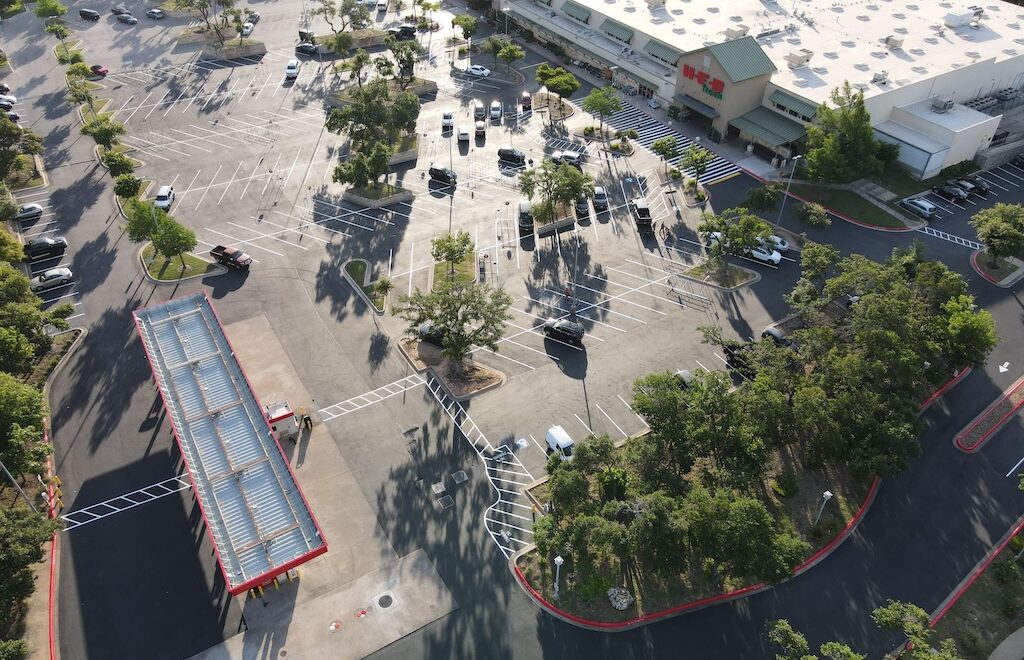
Are you planning a sealcoating project in Dallas? While sealcoating may seem simple, it requires careful planning and preparation to be done correctly. When it’s your pavement’s safety, beauty, and longevity on the line, the last thing you want to do is “wing it.” In this blog, we’ll cover the basics to help you and your contractor get amazing results with asphalt seal coating in Dallas.

Does a Sealcoating Project in Dallas Require Surface Preparation?

Every sealcoating project in Dallas begins with thorough surface preparation. After determining the right approach, sealcoating professionals need to block off the pavement from traffic, turn off the sprinklers, and give the asphalt paving some attention.

Asphalt sealant will only bond to clean, dry pavement. While your blacktop might look clean, it’s likely covered in a layer of dirt. Leaving that grime behind will interfere with how the asphalt sealant adheres to the paving.

The best Dallas asphalt sealcoating companies will take some time to sweep away loose dirt, pick up trash and debris, and wash the pavement surface. If there are stains, contractors will apply a pretreatment solution. Then they’ll allow the surface to dry completely before applying the asphalt seal coat.

Surface prep is critical, and no reputable sealcoating company will skip this step.

Does the Quality of the Asphalt Sealant Matter?

The success of asphalt seal coat projects hinges on the quality of the sealer used. There are many options available. Core formulas include asphalt emulsions, refined tar, and specialty resins. Each asphalt sealant formula has its pros and cons. What’s right for your sealcoating project in Dallas will depend on your pavement’s unique needs and your budget.

Beyond choosing the right type of asphalt sealant, ensure your sealcoating contractor uses a high-quality, premium-grade product. Sealcoating products from big-box stores won’t cut it. You need professional-grade alternatives only available to Dallas asphalt sealcoating companies. They last longer and produce better results.

Do Seal Coating Companies in Dallas Need to Prepare the Sealer?

Sealcoating companies in Dallas can’t apply the sealer in its raw form. They must prepare it according to the manufacturer’s instructions. Exact details vary from one sealcoating product to the next. What’s important is that Dallas asphalt sealcoating companies don’t ignore those instructions.

Most manufacturers require adding a specific amount of sand and water. More unscrupulous contractors may try to add more water to dilute the formula or exclude sand to save money. Doing so can lead to lackluster results. Less sand impacts durability and reduces traction.

Proper sealer prep makes a difference, and the best sealcoating companies in Dallas won’t cut corners.

How Many Coats Should Dallas Asphalt Sealcoating Companies Apply?

Asphalt seal coating in Dallas requires at least two thin coats. Contractors should apply thin layers, allowing them to dry before adding more. A thick application will lead to uneven curing and poor durability. It takes longer, but applying thin layers to build coverage is the right way to do asphalt seal coating in Dallas.

The best sealcoating companies in Dallas will assess your pavement’s needs and identify high-traffic areas that could benefit from additional coats. Many asphalt seal coat professionals will apply three or four layers in key areas, including parking lot travel lanes, intersections, transition points, and more.

How Long Does a Sealcoating Project in Dallas Take to Complete?

After applying the asphalt seal coat, your pavement will need up to 48 hours to cure. Don’t make the mistake of assuming that your pavement will be ready for traffic hours after Dallas asphalt sealcoating companies leave the site.

Curing is a slow and steady process. The water content in the asphalt sealant must evaporate before the product can bond to the pavement. Driving or walking on the surface before the asphalt seal coat is ready will lead to tracking or peeling. Keep paved surfaces blocked off until sealcoating companies in Dallas give you the OK.

In the meantime, continue using temporary parking areas and keep all signs posted to avoid inadvertently damaging your asphalt seal coat.

Let Legacy Paving be your source for asphalt seal coating in Dallas. We’re experts with over a decade of proven experience. Unlike other contractors performing asphalt seal coating in Dallas, we never cut corners, rush jobs, or skimp on quality. Our goal is to raise the bar for asphalt maintenance excellence. We do things the right way, developing tailored solutions that count.

In addition to asphalt seal coating in Dallas, we’re available for new paving, repairs, milling, overlays, concrete sidewalks, curbing, ramps, concrete repairs, ADA compliance, parking lot striping, and more. Get your free project quote today by calling Legacy Paving at (214) 771-5726. If you prefer, you can also use our online contact form or email the team at info@legacypavingtx.com.

Top Critical Phases of Concrete Parking Lot Construction
Latest Blog

Top Critical Phases of Concrete Parking Lot Construction

Top Critical Phases of Concrete Parking Lot Construction Top Critical Phases of Concrete Parking Lot Construction
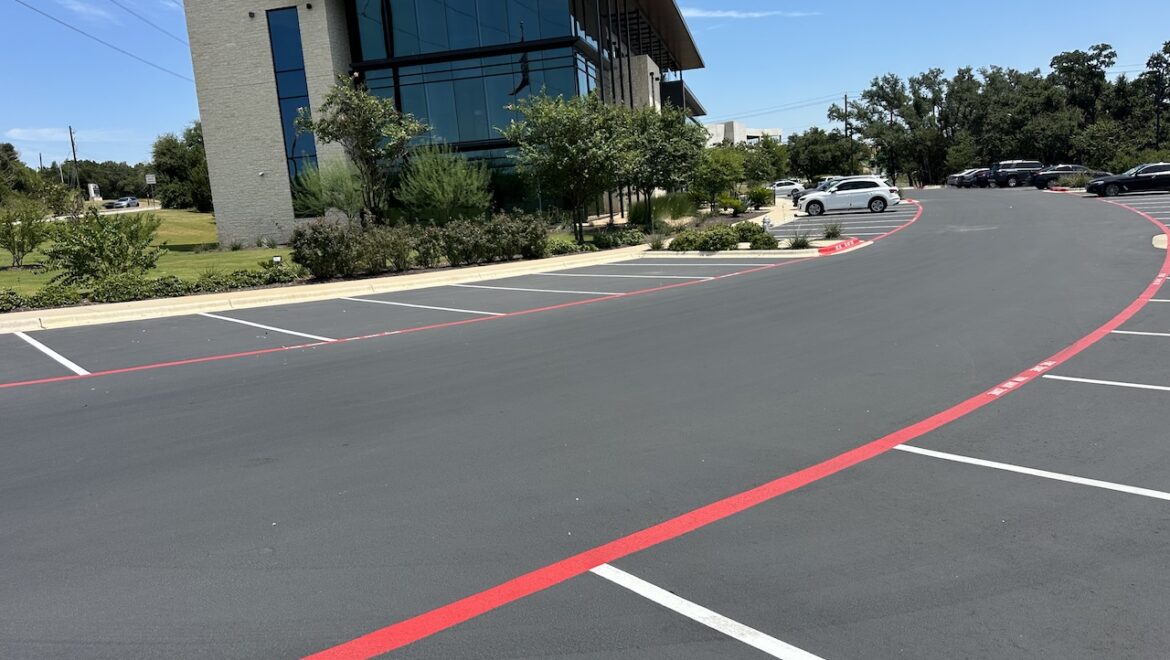
Concrete parking lot construction is a complex, multi-phased process. It’s more involved than most realize, with each step contributing to the final product in different ways. Failure at any stage could compromise the finished surface’s strength and longevity. Fortunately, the best concrete companies in Dallas take all the precautions necessary to do things right and deliver impressive results. Read on to learn more about the parking lot construction process.

Does Parking Lot Construction Need Planning and Engineering?

Like any other major concrete construction project, your parking lot needs ample planning. Before any excavation or concrete form-building begins, concrete companies in Dallas take time to understand your needs and develop plans perfectly suited to meeting them.

There are several factors to consider before parking lot construction begins. Contractors need to decide what type of concrete is best for the project. They must also engineer the surface to achieve the proper thickness based on traffic volume and intended use. Then, experts need to lay out plans for steel rebar or mesh reinforcements, all while creating the right shape.

That all must occur in tandem with core parking lot design planning, which includes determining the overall layout, stall sizes, ADA compliance, and more.

Why Do Concrete Companies in Dallas Spend So Much Time With Subbase Preparation?

The subbase layers are the compacted aggregate layers that sit between the soil and the concrete parking lot. It’s your pavement’s foundation, and failing to properly build the subbase could lead to severe concrete parking lot repair issues later.

Experts begin by testing the soil to determine its load-bearing capacity. Then, they’ll bring in aggregates to create a stronger, more stable base. Thorough compaction and continued testing ensure the subbase can easily support traffic loads.

Cutting any corners during this stage can be disastrous, leading to early settling and concrete parking lot repair problems not long after construction.

How Important Is Proper Drainage During Construction?

During concrete construction, proper drainage is a top priority. Poor drainage can lead to safety concerns, erosion, and costly concrete parking lot repair issues. Surfaces should have a 1 percent slope to effectively redirect water runoff.

Depending on the size of your Dallas concrete parking lot, contractors may also incorporate additional infrastructure. For example, larger parking lots benefit from catch basins that collect runoff and redirect it away from your pavement.

These elements add further complications to the concrete construction project. However, they’re necessary to ensure that your concrete parking lot doesn’t become a flood zone.

How Do Contractors Create the Shape of a Concrete Parking Lot?

After engineering, planning, and subbase preparations, concrete companies in Dallas can proceed with building actual forms to hold the wet material. Forms are how experts create your Dallas concrete parking lot. They hold the wet material in place and in the exact shape needed, allowing the concrete to cure in place.

Form-building is an art in itself. Additionally, concrete companies must add steel reinforcement in accordance with the engineering plans. These reinforcements give your Dallas concrete parking lot greater tensile strength, helping prevent cracking, buckling, and damage.

Why Do Contractors Create Joints During Concrete Parking Lot Construction?

Another often-overlooked part of concrete parking lot construction is the implementation of control and expansion joints. These joints create guided cracking in concrete parking lots. They also support expansion and contraction during temperature fluctuations. Without joints, cracking can become unpredictable and unsightly.

Concrete companies in Dallas can create joints after pouring or cut them after partial curing. Either way, joints must be continuous and spaced according to ACI standards.

At Legacy Paving, we’re proud to be among the most trusted and respected concrete companies in Dallas. We have experience building concrete parking lots of all shapes and sizes. No matter your vision, you can trust us to bring it to life.

Legacy Paving is a full-service asphalt and concrete paving company. Our services include new asphalt paving, repairs, sealcoating, milling, overlays, and more. Our concrete services include parking lot construction, repairs, curbing, and more. Learn more about what we do and receive your free quote by calling Legacy Paving at (214) 771-5726. You can also use our online form or email the team at info@legacypavingtx.com.

Asphalt Sealcoating Thickness: When More Isn’t Better
Latest Blog

Asphalt Sealcoating Thickness: When More Isn’t Better

Asphalt Sealcoating Thickness: When More Isn’t Better Asphalt Sealcoating Thickness: When More Isn’t Better
Asphalt sealcoating can do wonders for your driveway, parking lot, loading dock, and other paved surfaces. It’s a transformative service that restores your asphalt’s glossy black finish while providing much-needed protection against the elements and wear. There are plenty of great benefits to enjoy after working with a trusted sealcoating contractor. Many assume that, when it comes to asphalt sealcoating, thickness is better. However, that’s not always the case. Read on to learn more about asphalt sealcoat thickness and its impact on your pavement.

Is More Sealcoat Thickness Better?

More coverage for sealcoating in Dallas Texas is better, but that doesn’t mean contractors should apply a single, thick layer. The correct approach is to apply thin layers.

Many assume that thicker is better because it produces a richer, more opaque finish. However, that approach can lead to issues with curing. Dallas asphalt sealcoating companies use specially formulated sealers that cure via evaporation. The process can take up to 48 hours after application, but applying a thicker layer will extend that timeline and create numerous issues that compromise beauty and protection.

What Happens When a Seal coating Company Applies Too Much Sealer?

A trusted sealcoating contractor works hard to produce results that are aesthetically pleasing, highly protective, and long-lasting. However, thicker applications can produce unsightly, inferior results.

•Slow Cure Times: As mentioned earlier, sealcoating takes up to 48 hours to cure. Asphalt sealcoating companies prepare sealers before application, creating a formula that’s 40 percent water by volume or more. After application, the water content evaporates. When applied thickly, the sealer will take much longer to cure. That means more downtime for your property or business.
•Uneven Curing: Another problem a sealcoating company will encounter with thick applications is uneven curing. The sealer cures from the top down. With a thick application, the upper layer may cure and trap the wet sealer beneath.
•Trapped Moisture: Uneven curing traps moisture between your pavement and the cured sealer. That water can damage your asphalt and create tracks when vehicles drive on it.
•Cracking and Peeling: Thicker sealcoating in Dallas Texas is notorious for quickly peeling and flaking. The sealer doesn’t cure and bond correctly. As a result, it can’t hold up to everyday traffic.
•Lackluster Protection: With peeling, flaking, and uneven curing comes poor protection. Sealcoating in Dallas Texas is all about damage prevention, but improper application can leave your pavement exposed.

How Do the Best Asphalt Sealcoating Companies Ensure Appropriate Application Thickness?

Dallas asphalt sealcoating companies can apply sealer in various ways, including using squeegees and sprayers. There’s no right or wrong way to apply the product. A skilled sealcoating company knows how to use a squeegee to push the product into the pavement while carefully controlling thickness.

Those who aren’t as comfortable with squeegee work may rely on sprayers. Asphalt sealcoating sprayers can control the amount of product applied. Either way, asphalt sealcoating companies need experience to manage sealer thickness carefully, ensuring it’s not too thick to cause curing issues.

How Can a Seacoating Company Optimize Protection Without Overdoing Asphalt Sealcoating Thickness?

During sealcoating projects, thicker applications aren’t ideal. However, more coverage is better. What’s important is that Dallas asphalt sealcoating companies build up coverage with multiple coats rather than a single thick one.

The best sealcoating contractor will apply at least two thin coats, allowing the first layer to dry before proceeding with the next. In high-traffic areas, your sealcoating company may apply additional coats to ensure optimal protection and longevity.

Legacy Paving has more than a decade of experience caring for asphalt surfaces throughout the Dallas area. We know what works and what doesn’t, always doing things by the book and applying our skills to produce the amazing results you deserve. Our priority is to ensure that your pavement lasts as long as possible, and we go the extra mile to make that happen.

In addition to sealcoating, we offer new asphalt paving, repairs, milling, reclamation, concrete sidewalks, parking lot striping, maintenance, and more. We’re also eager to provide free quotes. You can get yours by calling Legacy Paving at (214) 771-5726, emailing info@legacypavingtx.com, or submitting our online contact form.

Concrete Repair or Replacement?
Latest Blog

Concrete Repair or Replacement? Dallas Concrete Contractor

Concrete Repair or Replacement?Concrete Repair or Replacement?

It’s not difficult to see why concrete is the world’s most popular paving and construction material. Surfaces created by concrete companies in Dallas are beautiful, tough, versatile, and capable of lasting decades. However, despite its many benefits, concrete doesn’t last forever. It’s not immune to damage, either. Concrete repair professionals can address a wide range of issues to restore paved surfaces and structures. But when faced with damage, you might wonder whether to invest in concrete repair or replacement. In this blog, we’ll go over factors that could help you make the right decision for your property.

Is Repair or Replacement More Cost-Effective?

Realistically, most property owners and managers can’t afford to ignore budgetary restraints. There is a significant cost difference between Dallas concrete repair and full replacement.

From a pure financial standpoint, concrete repair in Dallas is typically more affordable. The cost of repairs varies widely based on the extent of the damage and the repair techniques used. For example, skilled concrete companies in Dallas can easily patch minor issues, fill cracks, and correct surface damage. Investing in those repairs can actually save you money in the long term, all while remaining budget-friendly. However, more extensive Dallas concrete repair work, such as mudjacking, may cost more.

Conversely, concrete replacement in Dallas is a sizable investment that most property owners and managers simply cannot choose to do on a whim. Planning for concrete replacement often takes time and considerable resources. It’s important to consider budget constraints when deciding how to address damage.

In many cases, contractors can perform Dallas concrete repair work, giving property owners more time to budget for replacement.

When Does It Make More Sense To Choose Concrete Repairs?

Concrete repairs make the most sense for basic forms of damage, such as cracking, settling, sinking, and surface defects. Contractors will assess the condition of your concrete. Generally, if the damage doesn’t compromise the concrete’s structural integrity or cover a significant portion of the surface area, repairs are feasible.

As long as the concrete is still in relatively good condition, outside the damaged area, contractors can perform Dallas concrete repair to restore your pavement or structure.

Does Concrete Repair or Replacement Last Longer?

Generally, concrete replacement lasts longer. The best Dallas concrete repair companies can provide impressive results. Permanent repairs can last decades when done right.

However, no concrete repair in Dallas will last forever. Standard repair work typically lasts up to 20 years. More high-quality techniques can last longer, but you’re still constrained by concrete’s general longevity.

Meanwhile, concrete replacement is like setting the clock back to zero. Replacement projects allow concrete companies in Dallas to build surfaces and structures back better than ever before. In many cases, concrete replacement projects last several decades, and yours could outlive you!

When Do Experts Typically Recommend Replacement in Dallas?

When determining whether replacement or concrete repair in Dallas is best for your needs, contractors will assess the condition of your concrete and its overall structural integrity.

Typically, it’s better to choose concrete replacement in Dallas when the damage is extensive and compromises the integrity of the structure. If you’ve already tried concrete repairs but they’ve always failed, experts may also recommend replacement for more permanent results.

Let Legacy Paving help you decide whether concrete repair or replacement is best for your needs. We operate with integrity and transparency, developing solutions that make a difference. Our team prioritizes strong communication and customer care, acting as partners to help you make decisions you can be confident in.

Our services include asphalt paving, repairs, and maintenance. We also do concrete parking lots, ramps, curbing, and more. No matter your needs, you can trust us to produce amazing results. Call Legacy Paving at (214) 771-5726, email info@legacypavingtx.com, or use our online contact form today to get your complimentary quote.

Asphalt Paving While Raining: Cons and Feasibility
Latest Blog

Asphalt Paving While Raining: Cons and Feasibility

Asphalt Paving While Raining: Cons and FeasibilityAsphalt Paving While Raining: Cons and Feasibility
Dallas receives an average of 37 to 41 inches of rain each year, with most rainfall occurring in the spring. While many property owners welcome the rain, those planning asphalt paving projects may find it more of a nuisance than anything else. Asphalt paving while raining can lead to disastrous results, and reputable contractors will not even attempt it when conditions aren’t ideal. In this blog, we’ll explain why.

Why Is Paving While Raining a Bad Idea?

Parking lot and driveway paving in the rain is never a good idea. To understand why, you must understand what asphalt paving in Dallas actually is. Asphalt is a composite material composed of aggregates, sand, and fillers, all bound together by a bitumen binder.

Bitumen is a petroleum byproduct, which means it contains oil. Oil and water don’t mix. Asphalt companies in Dallas know this and understand that trying to pave in the rain can compromise a project. Here are a few ways how.

•Weak Bonding: During a project, asphalt contractors lay hot material onto a carefully created subbase foundation. When it’s raining, moisture prevents the hot asphalt from bonding to the subbase, creating weak spots that are more prone to damage.
•Trapped Moisture: Dallas asphalt paving companies also worry about trapped moisture. Water that seeps into the subbase from rain can persist after parking lot or driveway paving. It can then wreak havoc on the foundation, freeze during cold snaps, and cause harm to the finished surface.
•Temperature Loss: Asphalt companies work fast when laying material. Asphalt arrives at your site at temperatures as high as 350 degrees, and paving companies need to lay and compact it before it cools too much to work with. Rain accelerates that cooling process.
•Poor Compaction: Water also directly interferes with the compaction process, leading to weak asphalt paving and a rougher surface.

How Does Asphalt Paving Affect the Finished Surface?

Any company with experience doing Dallas asphalt paving knows to work around rain. But what would happen if paving companies took the risk anyway? Unfortunately, your finished pavement would suffer a host of issues.

Water’s effect on the parking lot and driveway paving process increases the risk of damage and premature failure. Rapid cooling and trapped water can interfere with compaction, and the effect on how the material bonds to the subbase results in a weaker overall pavement. Asphalt companies in Dallas will struggle to produce results that last.

The best asphalt contractors want to deliver a final product that’s strong, reliable, and resilient enough to last decades. That’s not possible if they attempt to complete asphalt paving while raining.

What Do Dallas Paving Companies Do When Bad Weather Is on the Forecast?

The best and most trusted asphalt companies will keep an eye on the weather forecast and schedule paving projects around precipitation. They’ll schedule work dates when conditions are warm and dry, ensuring five-star results. If rain arrives unexpectedly, asphalt companies in Dallas will fall back on contingency plans. They’ll cover material and equipment and wait for things to dry. If necessary, paving companies will reschedule.

While those delays can be frustrating, it’s the best option. Pushing through the rain will only lead to future problems, so Dallas asphalt paving companies should plan early and work around rain.

How Long Can Contractors Proceed with Dallas Paving?

Just because it stops raining doesn’t mean that asphalt companies can immediately jump back to work. Waterlogged soil is too soft to compact, compromising the final product. Furthermore, some types of soil can shrink or shift during drying, leading to stability issues.

The best asphalt contractors will wait until the soil is fully dry to proceed. Then, they’ll examine it closely and make any necessary adjustments.

Don’t let your Dallas asphalt paving project suffer due to rain. Legacy Paving understands how rainfall can affect your future paving. We don’t cut corners or take unnecessary risks; instead, we do things the right way to produce a finished surface that will last.

That approach applies to all our services, including Dallas asphalt paving, milling, overlay, reclamation, repairs, concrete sidewalks, ADA compliance, and more. Get your free project quote today and work with a contractor you can trust. Call Legacy Paving at (214) 771-5726, email info@legacypavingtx.com, or submit your information through our online contact form today.

The Complete Guide to Dallas Concrete Curbs and Gutters
Latest Blog

The Complete Guide to Dallas Concrete Curbs and Gutters

The Complete Guide to Dallas Concrete Curbs and Gutters The Complete Guide to Dallas Concrete Curbs and Gutters
Asphalt paving alone isn’t enough to optimize your property’s safety, longevity, and curb appeal. While paved surfaces can add decades of functionality, additional fixtures can give your paving project a polished finish while also providing several impactful benefits you never knew you needed. Take, for example, concrete curbs and gutters. These fixtures are ubiquitous, surrounding parking lots, driveways, and other paved surfaces throughout the Dallas-Fort Worth area. Keep reading to learn more about Dallas concrete curbs, concrete gutters, and why you need them.

What Are Concrete Curbs?

Concrete curbing is a raised structure that typically surrounds paved surfaces. You can find concrete curbs running alongside roads, bordering parking lots, and even neighboring landscaping. Designs vary, but concrete curbing is around six inches tall. They’re short enough not to interfere with property visibility, but tall enough to provide ample separation between driving and pedestrian surfaces.

Are There Different Types of Curbs Available?

Contractors can build many different types of concrete curbs. Before starting a project, concrete curbing companies will spend ample time assessing your property. They’ll work with you to understand your property’s unique needs, including water runoff management, building protection, and pedestrian safety. From there, they can help you determine which design is ideal. In many cases, they’ll recommend several types of concrete curbs and gutters to optimize the benefits you can gain.

Here are the most common types of concrete curbs used in Dallas.

•Barrier Curbs: Of all the curb designs, this one’s the most recognizable. Barrier concrete curbs are vertical structures that help stop vehicle wheels, thereby preventing drivers from entering specific areas. You can find barrier curbs separating parking lots from pedestrian sidewalks, protecting commercial storefronts, and more. Most contractors will pair barrier curbs with concrete gutters in Dallas for more effective water runoff management.
•Mountable Curbs: Mountable curbs are sloped or curved on one face. The unique design allows vehicles to drive over them. Mountable curbs are common around parking lot entrances and driveway openings. Contractors may also install these curbs at key pedestrian access points, improving accessibility for those with mobility devices, shopping carts, strollers, and more.
•Monolithic Curbs: Monolithic curbs are flat, remaining flush with adjacent asphalt paving. The design creates visual separation without preventing drivers from moving over them. These curbs are integrated with roads for a flush finish.

What Are Concrete Gutters

Concrete gutters in Dallas are flat fixtures. They typically run parallel to concrete parking curbs. While concrete curbing primarily focuses on safety, gutters improve drainage. High-quality concrete gutters collect runoff before channeling it away from paved surfaces, usually directing it to nearby infrastructure such as catch basins.

What Benefits Do Concrete Curbs and Gutters Provide?

Concrete curbs and gutters are a combination that can benefit your property in countless ways.

•Flooding and Erosion Prevention: Property engineered and built concrete parking gutters and curbs can significantly reduce the risk of flooding and erosion. Together, these two fixtures collect and channel water runoff away, preventing pooling and pavement damage.
•Enhanced Property Maintenance: Curbs and gutters can also prevent the spread of dust and debris. Rather than flying throughout your pavement, debris tends to collect next to curbs. As a result, keeping your property clean is much easier.
•Clear Property Boundaries: Curbs and concrete gutters in Dallas create clear, aesthetically pleasing property boundaries. You can even use them to define specific areas, such as parking and pedestrian areas.
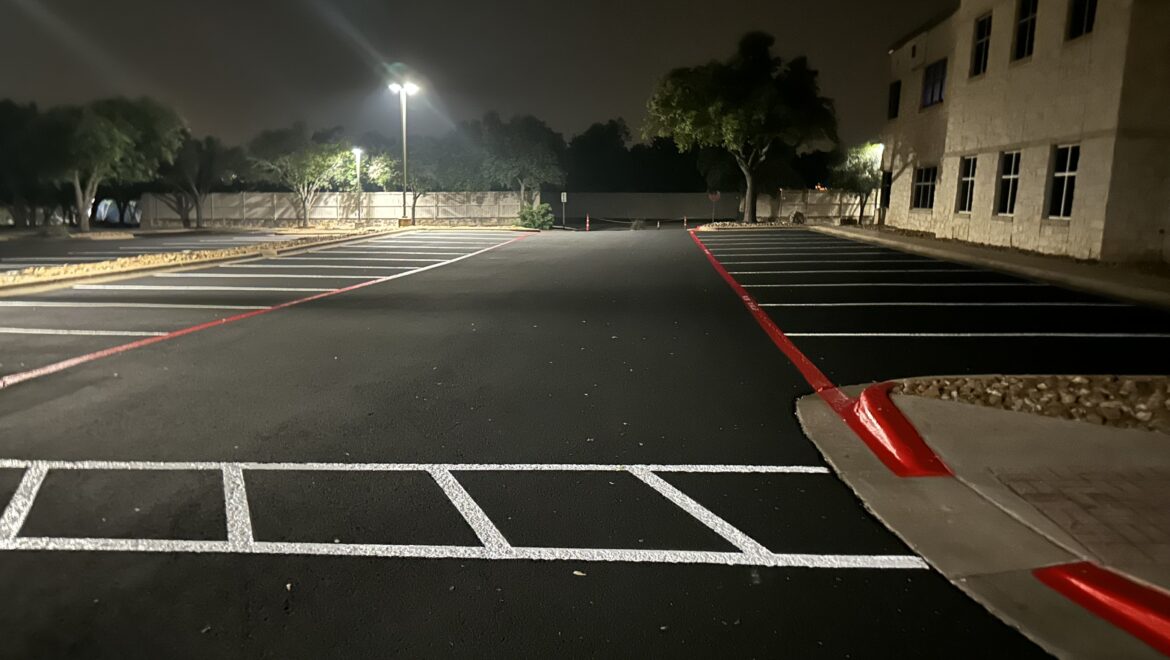
•Safety: Concrete parking curbs provide a clear barrier for vehicular traffic, making adjacent sidewalks and pedestrian areas safer for everyone. Contractors can also paint curbs to enhance visibility in low-light conditions, reducing the risk of erratic driving and pedestrian trip-and-fall accidents.
•Building Protection: Curbs will also protect your building. When placed near storefronts and building entrances, curbs act as a physical barrier to stop or slow runaway vehicles before they damage your building.

Ready to experience the benefits of gutters and concrete parking curbs firsthand? Turn to Legacy Paving, the most trusted asphalt and curbing contractors in Dallas. We’re a company with over 16 years of experience serving property owners and managers like you. No matter your needs, you can trust us to deliver exceptional results that exceed expectations.

Legacy Paving offers asphalt paving, repairs, milling, overlays, parking lot striping, maintenance, concrete repair, ramps, curbing, and more. Give Legacy Paving a call at (214) 771-5726, email info@legacypavingtx.com, or submit your information through our online form today to learn more and receive a complimentary project quote.

Why Your Dallas Concrete Parking Lot is Failing
Latest Blog

Why Your Dallas Concrete Parking Lot is Failing

Why Your Dallas Concrete Parking Lot is FailingWhy Your Dallas Concrete Parking Lot is Failing

Many businesses opt for concrete when constructing parking lots. It’s not hard to see why. Concrete is impressively tough, aesthetically pleasing, and strong enough to last many decades with proper maintenance. That said, your Dallas concrete parking lot isn’t immune to damage. Many issues can plague your flatwork. Read on to learn more about some of the most common causes of damage to a concrete parking lot.

Can Faulty Construction Affect Dallas Concrete Parking Lot Surfaces Later?

It’s not just post-construction care that affects longevity. Mistakes made during concrete parking lot construction can influence the types of issues you’ll face long before any of the material sets.

Concrete parking lot construction is a complex, multi-step process. Even before contractors build forms or pour any wet concrete, they must spend ample time preparing the base. Concrete parking lots must have a thoroughly compacted subgrade and a subbase layer of aggregate material. The best concrete parking lot contractors conduct soil tests early in the process to determine how to properly prepare the base layers.

Cutting corners during this stage of concrete parking lot construction can be disastrous later. The base provides the finished parking lot with sufficient load-bearing capacity and stability. Improper base preparations can cause the soil to shift, resulting in poor support and significant damage.

Should Concrete Contractors Add Joints?

Another big mistake during concrete parking lot construction is failing to add expansion and control joints. Control joints help relieve pressure and provide flatwork with a defined path for cracking. Meanwhile, expansion joints give the surface some wiggle room for temperature-related expansion and contraction, settling, and moisture changes. Both are vital to your parking lot’s longevity.

The best Dallas concrete companies will strategically cut joints as the material starts to cure, setting your parking lot up for long-term success. However, some will fail to complete this step, leading to unpredictable cracking and poor structural integrity later.

Will a Lack of Concrete Parking Lot Maintenance Cause Damage?

Many assume that concrete parking lots don’t require any maintenance. While it’s true that concrete parking lot maintenance is easier than asphalt maintenance, it’s still something you can’t ignore or delay. Failing to maintain the paved surface can accelerate deterioration and increase your pavement’s susceptibility to damage.

Concrete contractors recommend cleaning your parking lot regularly. Remove dirt and debris, then periodically wash the flatwork to remove stubborn grime. Your concrete parking lot also needs occasional sealing. Concrete is porous, and a lack of sealing could result in damage during freeze/thaw cycles.

How Can Excessive Weight Damage Dallas Concrete Parking Lot Pavement?

Dallas concrete companies build parking lot surfaces that can support thousands of pounds. However, excessive weight from heavy-duty vehicles can create stress that leads to cracking and damage. That’s especially true if heavier vehicles and equipment sit on the surface for prolonged periods.

Before construction, discuss the expected traffic volume and the types of vehicles that your parking lot will serve with your concrete parking lot contractors. From there, they can engineer the pavement to ensure the finished product has the load-bearing capacity you need.

How Does Failing to Address Existing Damage Lead to Concrete Parking Lot Failure?

When damage occurs, contact concrete parking lot contractors promptly for repairs. The longer you neglect professional repair work from concrete contractor, the worse things can get. Structural damage will spread, compromising your parking lot’s safety and stability. Furthermore, water can infiltrate the surface, corroding reinforcements.

Timely repairs are key. Work with Dallas concrete companies to address issues as soon as they appear to mitigate the risk of further deterioration and structural integrity concerns.

Let Legacy Paving be your partners in concrete parking lot maintenance, repair, and construction. We’re experts in this field, with years of hands-on experience caring for parking lots of all sizes. With an unwavering commitment to quality, you can rest easy knowing your project is in good hands. Our services include concrete parking lot paving, garage slabs, sidewalks, repair, driveway paving, asphalt paving, milling, overlays, and more.

The Legacy Paving team is ready to discuss your needs. Call us at (214) 771-5726, email info@legacypavingtx.com, or submit our online form today to speak to a member of our team and receive a free quote.

What Is The Asphalt Paving Life Expectancy In Dallas?
Latest Blog

What Is The Asphalt Paving Life Expectancy In Dallas?

What Is The Asphalt Paving Life Expectancy In Dallas?What Is The Asphalt Paving Life Expectancy In Dallas?
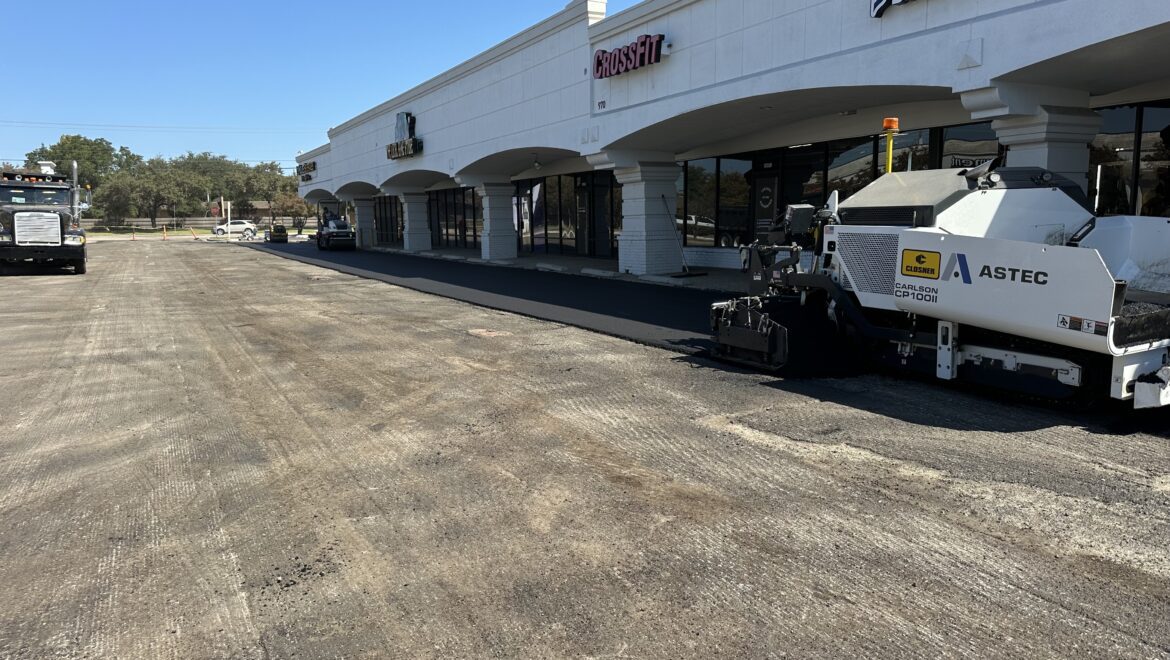
Asphalt paving is a big investment, whether you’re planning a new driveway or a massive commercial parking lot. Naturally, you want something that’s both cost-effective and long-lasting. Asphalt paving in Dallas strikes the perfect balance, providing stable surfaces that can serve your property for decades without the high upfront costs or overly complicated maintenance. But what exactly can you expect for asphalt paving life expectancy?

What Factors Impact Asphalt Paving Life Expectancy Rates?

One important thing to keep in mind is that there are no guarantees concerning the lifespan of asphalt paving in Dallas. Asphalt is a resilient material, but it’s not immune to damage. Environmental factors come into play. But that’s not all. As with anything else, the level of care you provide and the quality of construction will impact longevity.

Here are several factors that could affect the lifespan of your asphalt paving, for better or worse.

•Material Quality: Paving companies can use many different types of asphalt courses for your project. Some are higher quality than others, ultimately affecting upfront asphalt paving costs and overall reliability. The best asphalt companies in Dallas will help you determine what courses are right for your needs and budget.
•Construction: Substandard construction can cut your pavement’s lifespan short. Don’t make the mistake of hiring a company that cuts corners to save on asphalt paving costs. Poor compaction, improper subbase preparations, and other construction mistakes can lead to poor longevity.
•Engineering: Asphalt companies in Dallas engineer surfaces to meet your precise needs, achieving the proper thickness and load-bearing capacity. These engineering details could affect long-term stability and longevity.
•Maintenance: All Dallas Texas asphalt paving requires ongoing care to ensure it’s well-protected from weathering and wear. Neglecting your pavement could lead to premature deterioration.
•Exposure Levels: Surfaces open to the elements have a higher risk of oxidation and damage. As a result, they are at a higher risk of early deterioration, especially without proper maintenance.
•Traffic Volume: Surfaces that accommodate considerable traffic experience more distress, which could impact longevity. The best paving companies in Dallas will use precise engineering and ongoing maintenance to reduce the effects of high traffic volume.

What’s the Average Asphalt Paving Life Expectancy?

There’s no way to know for sure how long your asphalt paving in Dallas will last. However, assuming that you’ve worked with the best paving companies in Dallas to design, engineer, build, and maintain your pavement, here’s what you can expect.

•Residential Driveways: With routine maintenance, a residential driveway can last 20 to 25 years. However, it’s not uncommon for paving companies to produce surfaces that last longer than 30 years.
•Parking Lots: The average for standard commercial parking lots is 15 to 25 years. Industrial parking lots and those that support heavier vehicles may have a shorter lifespan. To optimize asphalt paving costs, it’s important to invest in routine care. Most parking lots will also require resurfacing at some point to maximize longevity.
•Urban and Suburban Streets: City streets usually last 15 to 25 years. Those that only accommodate passenger vehicles can last longer. Meanwhile, mixed-use streets with high traffic volumes may only last 15 to 20 years before requiring restoration or reconstruction.
•Highways: Highways often have a lifespan of 10 to 20 years, requiring resurfacing and restoration work every 10 to 15 years.

What Can I Do to Help My Dallas Texas Asphalt Paving Last as Long as Possible?

The key to ensuring your Dallas Texas asphalt paving lasts is to invest in its long-term care. Have trusted asphalt companies in Dallas inspect your pavement at least once annually. During those assessments, experts will look for early signs of trouble while monitoring pavement wear. They use their findings to help you develop a maintenance routine that aligns with your asphalt’s unique needs.

Because asphalt changes as it ages, having a contractor help you create a maintenance plan makes all the difference. A solid routine should include tasks like:

• Cleaning
• Crack Filling
• Repairs
• Sealcoating

Another tip is to be mindful of how you use your pavement. Work with reputable asphalt companies that will engineer your surface to meet your distinct needs. Avoid excessive weight and only use your pavement to accommodate the types of vehicles contractors engineered it to support.

At Legacy Paving, we can help you get and maintain asphalt surfaces that last for decades. We’re an experienced paving contractor with over 16 years of experience. Our services include new paving, driveway paving, milling, overlays, repairs, sealcoating, parking lot maintenance, and more. We have the skills to meet your needs, whether it’s new construction or ongoing care. With our help, you can maximize longevity and ensure your upfront asphalt paving cost investment lasts.

Call Legacy Paving at (214) 771-5726 to learn more about what we can do for you and receive a free, no-obligation project quote. You can also reach the team using our online form or by emailing info@legacypavingtx.com.

How Thick Should a Dallas Concrete Parking Lot Be?
Latest Blog

How Thick Should a Dallas Concrete Parking Lot Be?

How Thick Should a Dallas Concrete Parking Lot Be?How Thick Should a Dallas Concrete Parking Lot Be?
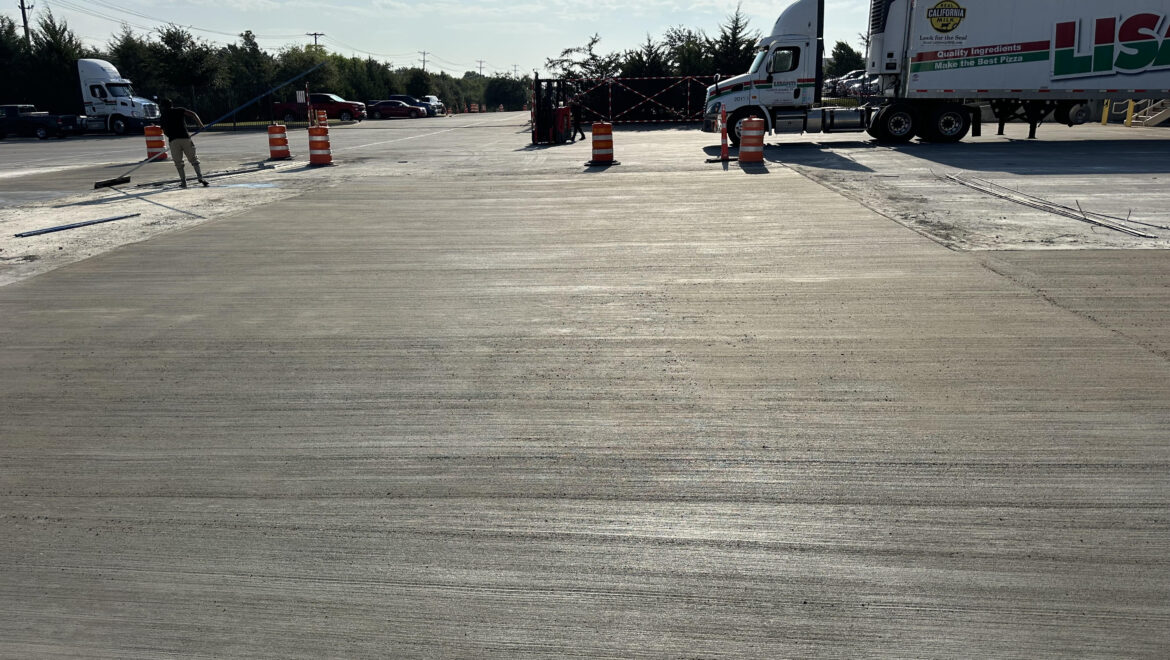
If you’re looking to get a low-maintenance parking lot capable of serving your property well for decades, there’s no better choice than concrete. Concrete parking lots are highly popular for their longevity and reliability. However, as with any paving project, the success of Dallas concrete parking lot projects depends entirely on proper engineering and construction. One important detail to consider is the thickness of the concrete. Here’s what you need to know.

What Does Thickness Matter for a Concrete Parking Lot?

For concrete work, thickness directly affects load-bearing capacity, overall structural integrity, and crack resistance. During construction, teams build forms to hold wet concrete. They then insert structural reinforcements to improve tensile strength. However, the overall thickness of the concrete work will affect how much weight the finished surface can hold.

That’s why engineering matters. If your concrete isn’t thick enough to support your parking lot’s intended use and traffic volume, it’ll quickly buckle under the pressure. Instead of reliability, you’ll have to constantly work with concrete repair companies to address damage and safety concerns. Before long, the concrete installation work will fail, rendering your initial investment worthless.

Thickness matters, and it’s not exclusive to parking lots. Concrete sidewalks in Dallas, as well as concrete driveways and dumper pads, also need specific thicknesses to ensure proper load-bearing capacity and stability.

What Other Factors Impact Load-Bearing Capacity for Concrete Lots?

The thickness of concrete sidewalks and parking lots plays a big role in their load-bearing capacity, but it’s not the only factor to consider. The subbase also makes a difference. Before concrete work begins, experts will conduct soil tests to determine the site’s properties. Then, they’ll make amendments to increase the soil’s natural load-bearing capabilities. Teams also compact the material, creating a stable surface.

Both the thickness of the concrete installation and the quality of the subbase provide your finished parking lot with all the strength and stability it needs. These two details are critical, which is why you need service from trusted paving and concrete repair companies with experience completing projects similar to yours.

How Thick Should a Dallas Concrete Parking Lot Be?

Generally, concrete parking lots are between 3 and 12 inches thick. However, it all depends on the types of vehicles your parking lot will hold, the amount of traffic you intend the surface to receive, and the overall properties of the soil and subbase below.

•Standard Commercial Parking Lots: Standard parking lots that accept only passenger vehicles require about 4 to 5 inches of thickness.
•Industrial Lots: Industrial parking lots, or those that accommodate heavy vehicles and equipment, often have 10 to 12 inches of concrete.
•Mixed-Use Passenger Lots: Mixed-use lots with high traffic volume benefit from around 6 inches of concrete.
•Mixed-Use Heavy-Duty Lots: Mixed-use lots that also accept heavier vehicles have 7 to 8 inches of concrete. In most cases, paths used by larger vehicles have thicker concrete than those used only by passenger vehicles, optimizing costs for paving and concrete repair companies.

What’s the Average Thickness for Other Concrete Installation Projects?

Interested in learning about concrete work for other paving projects? You’ve come to the right place.

•Concrete Driveways: Concrete driveways typically only need to support lightweight traffic. Therefore, paving companies usually stick to a 4-inch standard. However, those designed for holding RVs, boats, and other heavier vehicles may be 6 inches thick or more.
•Concrete Sidewalks: Concrete sidewalks in Dallas are usually around 4 inches thick. That also applies to patios and expansive paved surfaces exclusively used by pedestrians.
•Dumpster Pads: Because the vehicles that service dumpsters are extremely heavy, dumpster pads must be considerably thicker than most realize. Most are 10 inches or more thick.
•Concrete Foundations: The thickness of foundations for residential homes is similar to that of concrete sidewalks, which is around 4 inches. However, foundations for commercial or industrial buildings can be significantly thicker, depending on the structure’s weight and intended use.

Let Legacy Paving be your trusted partner for concrete installation. We have many years of experience installing parking lots, driveways, and concrete sidewalks in Dallas. At Legacy Paving, we take pride in our personalized approach to every project. We don’t have a one-size-fits-all mindset. Instead, we engineer every concrete surface to match your exact needs, ensuring longevity and reliability.

Legacy Paving offers a wide range of services, including concrete parking lots, driveways, curbing, ramps, asphalt paving, repairs, parking lot maintenance, and more.

We also offer free project quotes. You can get yours today by calling Legacy Paving at (214) 771-5726, emailing info@legacypavingtx.com, or submitting your information through our online form.

How Do Dallas Paving Companies Install Asphalt Overlays?
Latest Blog

How Do Dallas Paving Companies Install Asphalt Overlays?

How Do Dallas Paving Companies Install Asphalt Overlays? How Do Dallas Paving Companies Install Asphalt Overlays?
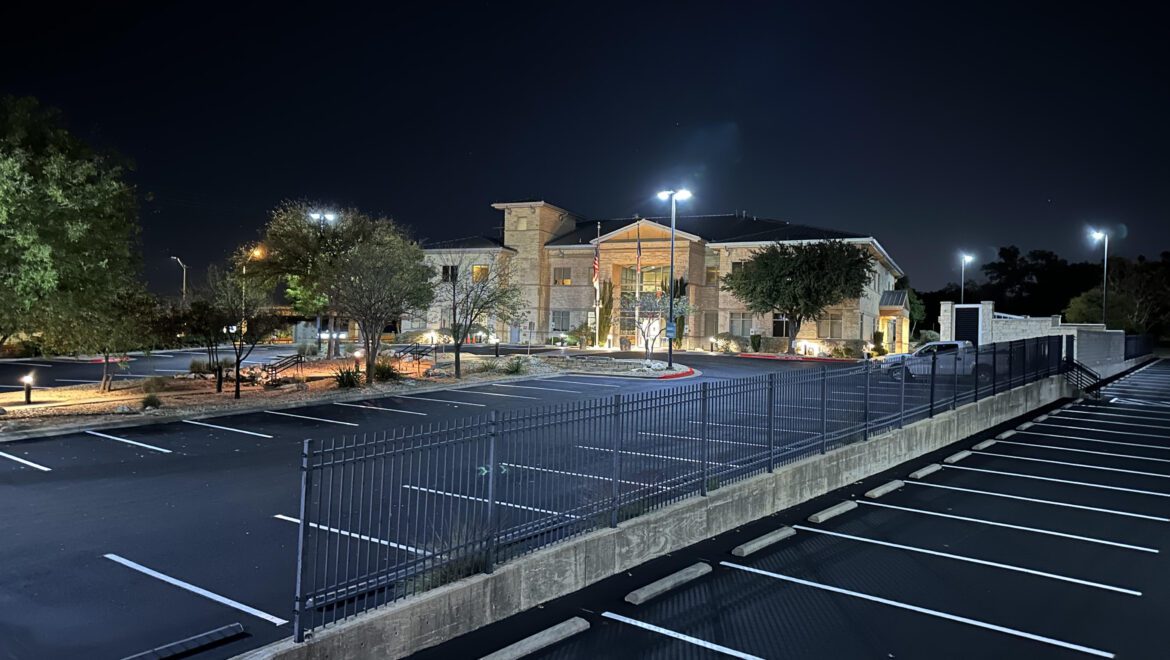
When most people think of asphalt paving, they picture brand-new construction. However, Dallas paving companies can do much more than pave new surfaces. They can also transform existing ones, giving them a like-new look and years of added longevity without the costs, time, or logistical challenges of repaving. Asphalt overlays are a fantastic choice for old, deteriorated pavements needing some TLC. But how does overlaying work?

What Is an Asphalt Overlay?

Asphalt overlays are a thin layer of new material applied to an existing paved surface or foundation. Overlays are thin, typically 1.5 to 3 inches thick, depending on your pavement’s needs.

Overlays are usually part of larger resurfacing projects. It’s a unique service that combines asphalt paving and repair. When done correctly, overlays can address serious signs of distress, correcting multiple asphalt repair issues in one go while extending the lifespan of a surface. It’s a fantastic way to put off reconstruction for many years, ultimately saving time and money while still giving neglected surfaces the attention they deserve.

How Do Dallas Paving Companies Determine If a Surface Can Benefit from an Overlay?

It’s not difficult to see why asphalt overlays are so popular. However, paving companies in Dallas can’t apply an overlay to every damaged surface. There are many factors to consider, and the best paving contractors will examine your pavement more closely to determine whether an overlay is the right move. Here are a few details that paving companies in Dallas will consider.

•Pavement Age: Resurfacing and asphalt overlays are ideal when pavement is around 10 to 15 years old. In some cases, asphalt companies can resurface pavement that is as old as 20 years. However, surfaces that are any older won’t benefit as much from an overlay. Instead, asphalt paving companies will recommend repaving.
•Foundation Integrity: Because asphalt contractors apply overlays to existing foundations, widespread damage will disqualify surfaces from this transformative service. Contractors can perform light foundation asphalt repairs, but the substructure must be structurally sound.
•Extent of Damage: Extension surface damage will also present issues for asphalt paving companies. As a good rule of thumb, damage must not exceed 30 percent of your pavement’s surface area to qualify for an overlay.

How Do Dallas Paving Companies Complete Overlay Projects?

Applying an overlay is a multi-step process that requires a methodical approach and thorough planning.

•The Planning Phase: First, asphalt companies will assess the damage to develop a plan of attack. Most projects require some light demolition and preparation. For example, asphalt paving companies often have to remove handicap ramps or prepare utility features to prevent damage. Teams will handle these tasks long before your resurfacing project begins. Asphalt contractors will also obtain necessary permits and help you overcome logistical sensitivities to minimize disruptions to your property or business.
•Milling: Before asphalt companies can apply an overlay, they must remove existing material. This process, called milling, involves using heavy-duty machinery to pulverize only a few inches of material. Milling machines are precise, allowing asphalt paving companies to destroy only what they need to while leaving the foundation intact.
•Foundation Work: After milling, paving companies in Dallas will proceed with foundation repairs. This stage is when asphalt contractors will perform asphalt repairs to address any existing deep-rooted issues. Milling sometimes unveils damage that extends below the surface. Contractors will perform any necessary repairs to prevent damage from reappearing on your new asphalt overlay.
•Tack Coat:Next, asphalt companies will apply a tack coat. Tack coats act as a glue between the existing foundation and the new overlay, ensuring a tight, long-lasting bond.
•Fresh Asphalt Paving: Finally, asphalt paving companies can proceed by applying the new overlay. This process is similar to fresh asphalt paving. Teams lay and compact hot asphalt to the existing foundation, ensuring a smooth, seamless finish.

Want to see if your pavement could benefit from an asphalt overlay? Legacy Paving has you covered. We’re among the most trusted asphalt companies in the area. Unlike other Dallas TX paving companies, we never cut corners or do anything that could compromise your pavement’s integrity. Our goal is to develop solutions that meet your needs, and we apply years of expertise to deliver results that count.

Our services include new asphalt paving, overlays, milling, crack repair, reclamation, asphalt repair, sealcoating, concrete curbing, ramps, sidewalks, and more. Get your free quote today by calling Legacy Paving at (214) 771-5726. You can also email the team at info@legacypavingtx.com or use our online form to get in touch.

Why Dallas Asphalt Paving Companies Should Be Fully Insured
Latest Blog

Why Dallas Asphalt Paving Companies Should Be Fully Insured

Why Dallas Asphalt Paving Companies Should Be Fully InsuredWhy Dallas Asphalt Paving Companies Should Be Fully Insured
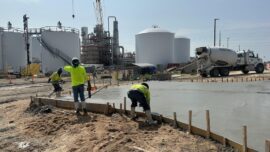
When assessing Dallas asphalt paving companies before a project, there are tons to consider. Naturally, you want a contractor with years of experience, strong communication skills, and proper credentials to operate legally within Dallas. However, one often overlooked qualifier for asphalt paving companies is insurance coverage. Every paving company you consider hiring should be fully insured. Here’s why.

What Types of Risks Come With Paving in Dallas?

Asphalt paving in Dallas looks relatively straightforward, and skilled paving companies indeed do everything in their power to minimize risks. However, that doesn’t mean that your project is immune to unexpected accidents.

•Public Liability Risks: Asphalt contractors work with material that’s heated to 350 degrees Fahrenheit. They must also perform excavation and base preparations, which involve heavy-duty equipment. The nature of the work that an asphalt paving company does puts the general public at risk. People passing by could suffer injury, contractors could damage your neighbor’s property, and more.
•Employee Injuries: The labor-intensive process of asphalt paving is inherently dangerous for employees. Workers could suffer injury, and you may be liable for damages because they occurred on your property.
•Environmental Concerns: The best asphalt companies will follow all environmental regulations and applicable codes. However, accidents do happen. Hazardous toxins, water contamination, and other forms of pollution could happen during your project.
•Property Damage: In addition to possibly harming your neighbor’s property, pavement companies can also damage yours.
•Low-Quality Work: Unfortunately, asphalt contractors can produce substandard work due to poor experience or cut corners. Whatever the case, you would have to pay out of pocket to redo the inferior final product that asphalt companies deliver.

A lot can go wrong during a paving project. While you should do your due diligence to hire a skilled, trustworthy asphalt paving company, there’s no guarantee that your project will go off without a hitch.

What Could Happen in the Worst-Case Scenario If I Hire Uninsured Dallas Asphalt Paving Companies?

Insurance exists to protect both you and your asphalt paving company. Comprehensive coverage provides financial protection against all the potential disasters mentioned above, ensuring you’re not on the hook for whatever work that pavement companies do.

Let’s look at an example. Say that asphalt companies are careless while preparing your pavement subbase. As a result, flying debris smashes a window in your neighbor’s home. Or a worker who fails to follow established safety protocols may suffer a catastrophic injury. In both scenarios, you could be financially liable. Without insurance, you’d have to pay for damages, and the costs can be so substantial that you face financial ruin.

These events and more can have serious legal and financial ramifications. While they may seem unlikely, they happen more often than you might realize. Even if you’re not directly responsible for accidents and injuries, because they happen on your property by asphalt paving companies acting on your behalf, you may be liable.

Insurance protects you from the consequences of the professional mistakes and missteps your asphalt contractors make.

What Forms of Insurance Should Asphalt Companies Have?

Asphalt paving companies need several forms of insurance.

•General Liability Insurance: This type of insurance protects you and your paving company against third-party claims, such as injury or property damage.
•Workers’ Compensation: Workers’ Compensation covers medical bills, lost wages, and more whenever an employee suffers injury on the job.
•Commercial Auto Insurance: This insurance covers the vehicles and equipment that paving companies use.
•Professional Liability Insurance: Professional liability insurance protects asphalt paving companies against financial losses if the work is faulty or negligent. Having this insurance often makes it easier for clients to hold a pavement company accountable for the work they produce.
•Pollution Liability Insurance: This coverage pays for cleanup and damages if asphalt contractors create environmental issues during a project.
•Umbrella Liability Insurance: Umbrella policies provide an additional layer of protection, helping to cover the high costs of large-scale paving projects.

How Do I Ensure the Paving Company I Hire Has Insurance Coverage?

When you speak to a contractor about asphalt paving in Dallas, ask to see proof of insurance. It should be one of the first things you check, along with business registration. The best pavement companies will have proof of insurance readily available and have zero issues reassuring you of the protection their policies provide.

Legacy Paving is a fully insured asphalt paving company that’s ready to serve you. We operate above board with full transparency and a dedication to producing superior results. At Legacy Paving, we never cut corners or rush jobs. Instead, we do things carefully and methodically to ensure safety from start to finish.

In addition to asphalt paving, Legacy Paving offers repairs, crack repairs, milling, overlays, parking lot striping, maintenance, sealcoating, concrete sidewalks, garage slabs, retaining walls, and more. We also provide free quotes. You can get yours by calling Legacy Paving at 214-771-5726, emailing info@legacypavingtx.com or submitting our online form.